
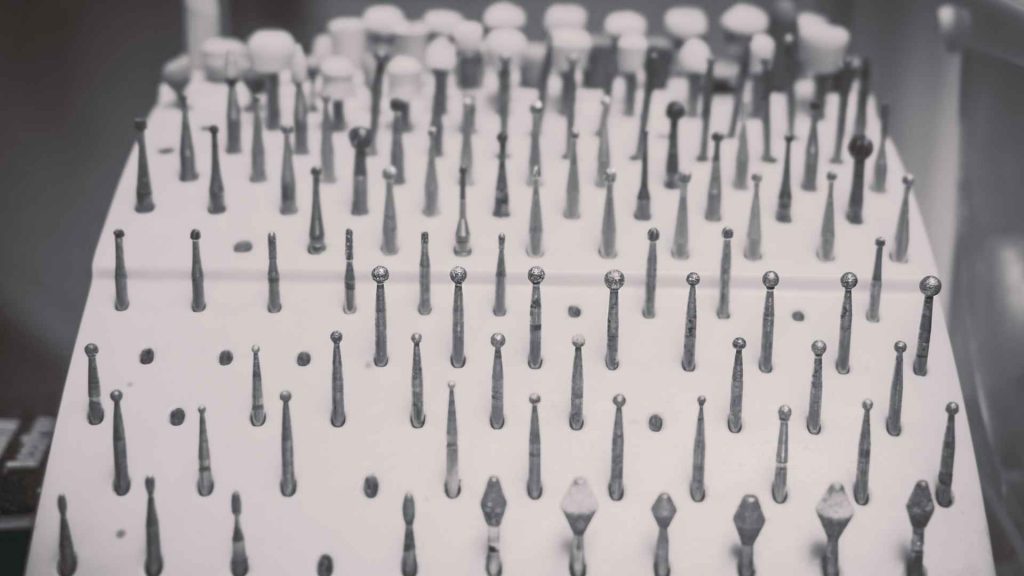
When choosing dental burs, it is important to consider their intended purpose. Depending on the type and level of dentistry you practice, a pointed bur may be required to remove small amounts. Round burs, however, are more suitable for larger amounts. The type of material a dental tool is made of will also impact the type of bur you buy. Diamond and gold are common materials for burs, but you should consider the cost and durability of each before choosing a particular type.
What are dental burs?
Dental burs are an essential part of any practice. They can be used for cutting and grinding dental tissue, but there are many options. Each type has its pros and cons. Here are a few tips on how to choose your burs. The size of your patient's jaw is the most important thing to consider. Contra-angle dental burs are larger than FG burs and have a diameter of 2.35 mm.
Diamond burs are the most common type of bur. Because diamond is very strong and can easily cut through any hard tissue, it is the most common type of bur. Diamond material is extremely durable and will not cause any damage to even the most difficult dental tissues. They can also break down a tooth's surface, removing unwanted materials. However, diamond burs can be more expensive than obtuse. They also tend to be less sharp after repeated uses.
The shank and the head are the basic components of dental burs. The shank inserts in the handpiece while the head cuts the tooth or bone. The neck connects the shank to the head. Each of these parts is assigned an ISO classification code. The number is broken down into five distinct segments, each of which has a corresponding color.
The long-lasting diamond burs are popular among dentists. These burs are most commonly used with high-speed handpieces but can also be used in conjunction with friction-grip shanks. The diamond burs are highly accurate and are most commonly used in crown and veneer related procedures. The only disadvantage to diamonds is that they tend to have a shorter life span than other types of dental tools.
When choosing dental burs, make sure to look at the different types available. The HP bur, which is slightly larger than the others, is used to remove large cavities and shape the bone for dental implants. The right angle is used to cut small pieces of the mouth. The rounded endoscopy is less likely to cause damage to the teeth and will allow you to see the results better.
The material is another difference between a steel bur and a carbide one. Steel burs are more costly than carbon counterparts but they offer a very efficient cutting edge. They are also more durable than steel burs and will last longer. They are better at smoothing out tooth structure and are also more affordable. They are also less expensive than their steel counterparts. This makes them a more economical choice for most practices.
There are many types of dental burs. Some are used for a variety of purposes, including removing teeth and reducing denture base materials. It is important to choose the one that meets your needs. It's also important to consider the manufacturer's reputation, as well as its price range. There are several advantages and disadvantages to both types of burs. Talk to a dentist if you're unsure which type is best for you.
There are a variety of different types of dental burs. These are often used by dentists around the world, and each type has its own unique advantages and disadvantages. Diamond burs are often the best option to reduce tooth structure. They offer great accuracy but tend to have a shorter lifespan than other types. A diamond bur is an excellent investment for your practice but it is important to think about its durability.
For more info on dental burs, click: https://eagle-dental-burs.com/